

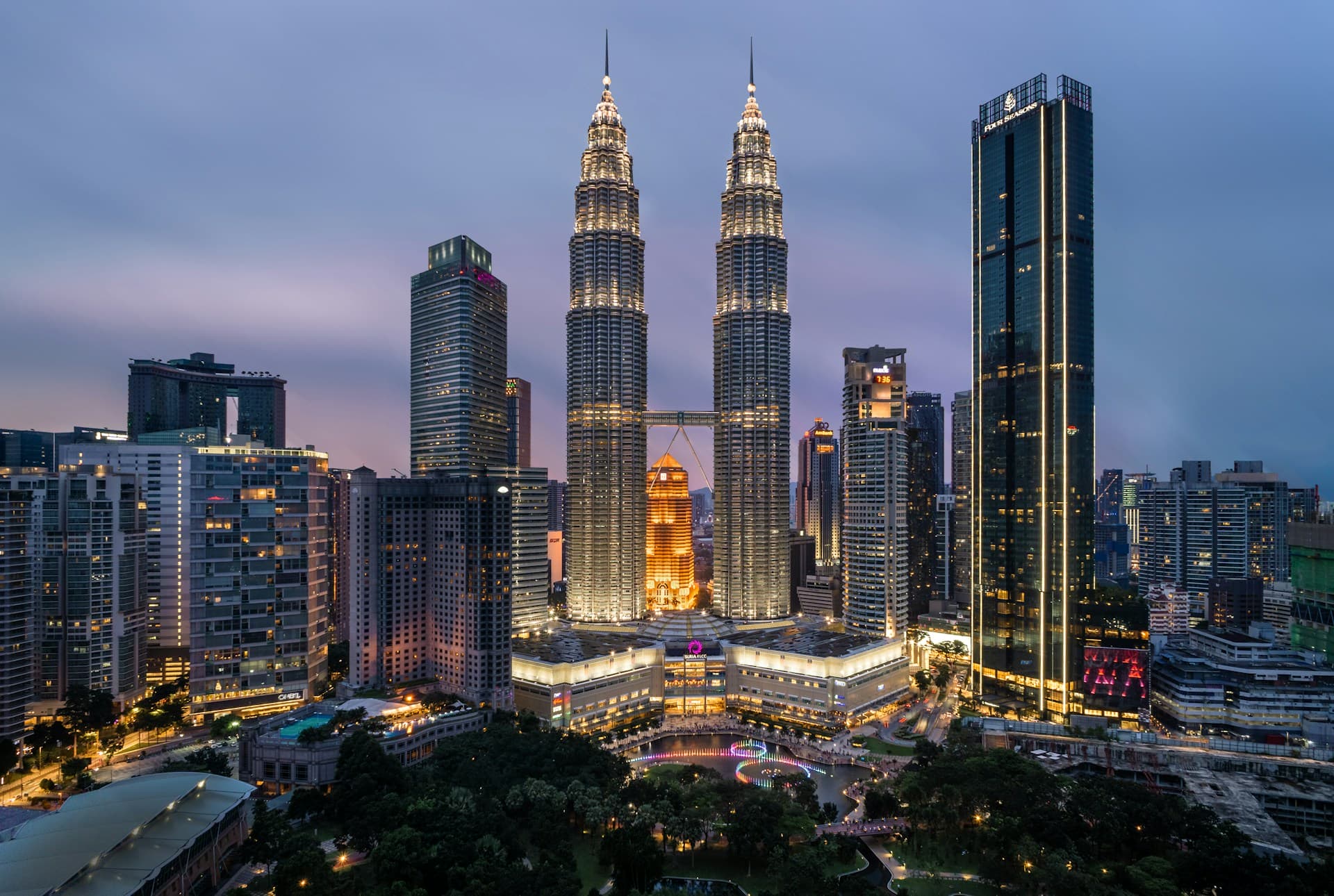
With a stronger Ringgit, Malaysia is emerging as one of Southeast Asia’s most compelling economic growth engines — underpinned by a powerful mix of tourism resurgence, industrial capability and resource strength. As a gateway city, Kuala Lumpur has seen a strong rebound in hospitality and travel, with international arrivals, hotel occupancy and premium developments gaining momentum as regional mobility normalises. Beyond tourism, Malaysia has cemented itself as a global pioneer in halal food production, leveraging established certification systems led by JAKIM to position its exports as trusted benchmarks across Muslim-majority markets worldwide. At the same time, the country’s deep reserves of natural resources — from oil and gas to palm oil — continue to provide a stable economic backbone, anchored by national champions like Petronas. Together, these pillars are shaping a diversified and increasingly resilient economy, reinforcing Kuala Lumpur’s rise as a dynamic hub for investment, trade and regional growth.
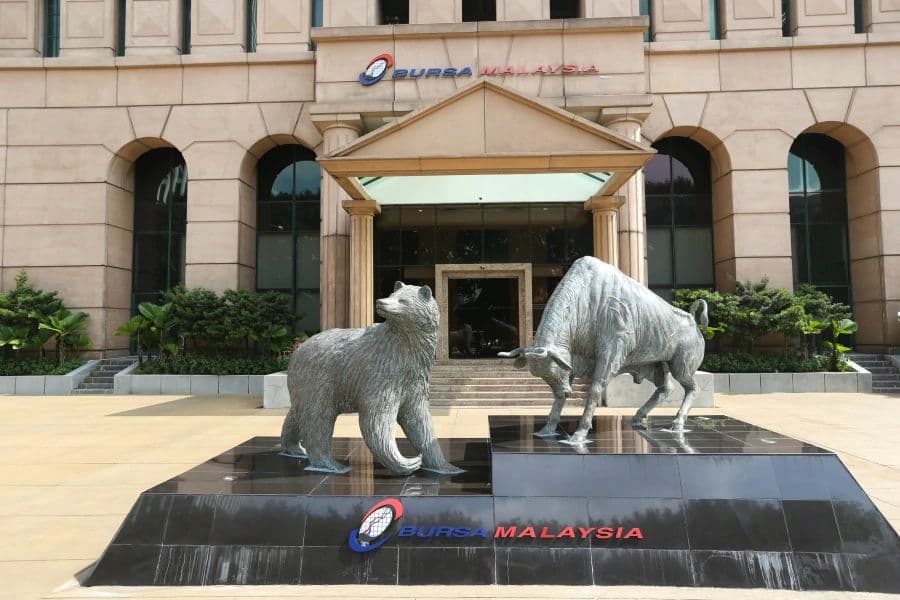
While regional markets continue to navigate volatility, Bursa Malaysia has emerged as a key barometer of the country’s underlying economic resilience. Headquartered in Kuala Lumpur, Bursa Malaysia is the main stock exchange of Malaysia and is home to thousands of publicly traded companies, spanning sectors such as finance, consumer goods, industrials, utilities and commodities. The exchange’s flagship benchmark index is the FTSE Bursa Malaysia KLCI (FBM KLCI), which tracks the performance of the 30 largest companies by market capitalisation — underscoring the depth of its corporate landscape, while improving trading activity and earnings recovery signal renewed participation. Supported by a macroeconomic expansion of approximately 4.9 percent in 2025 and sustained domestic demand, Bursa Malaysia is increasingly being positioned by institutional and regional investors as a strategic entry point into Southeast Asia’s evolving growth story. LUXUO highlights key Malaysian markets and industries driving this momentum.
Cost Competitiveness & Investment Appeal
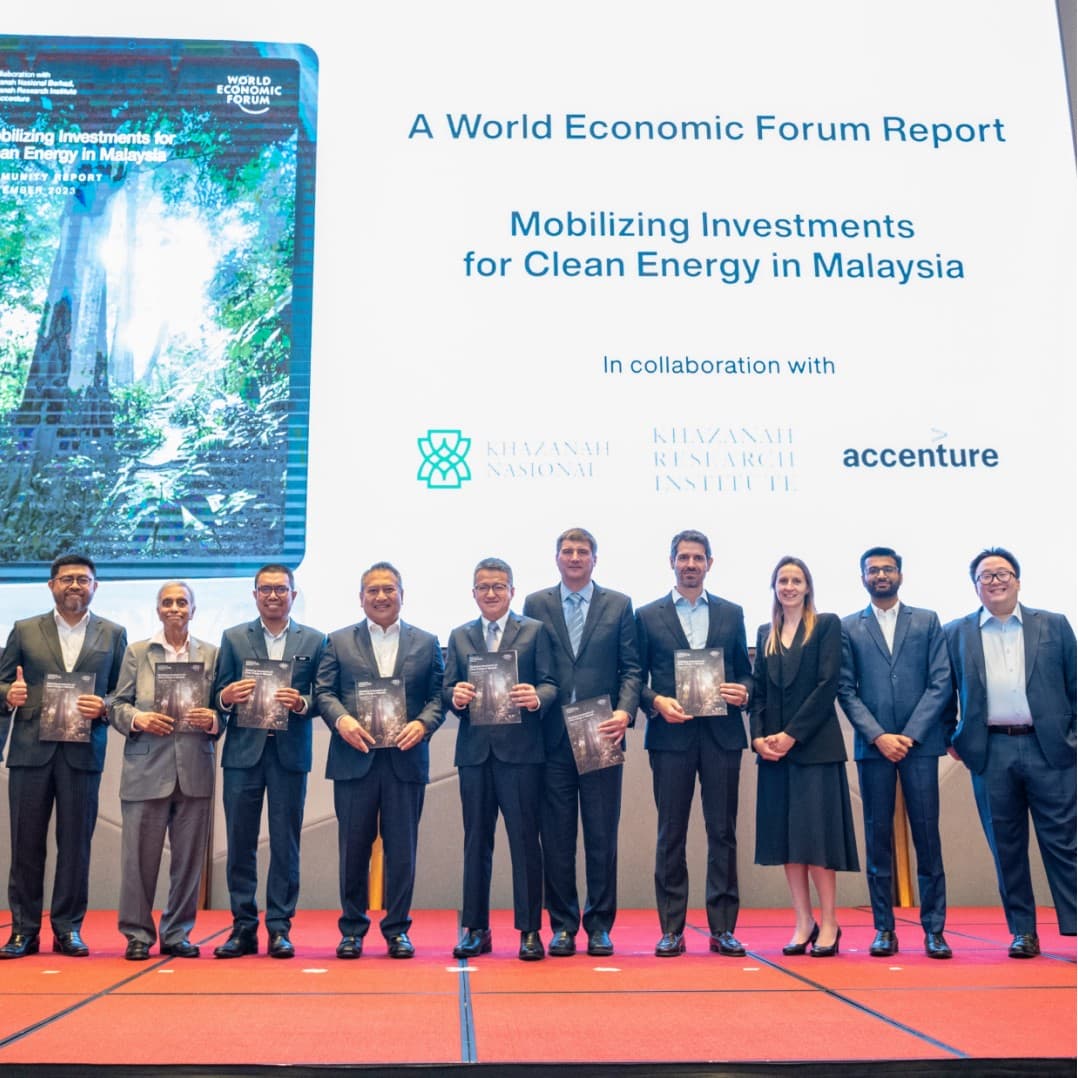
Investor interest in Bursa Malaysia is reinforced by a broad mix of capital inflows across institutional, private and retail segments. Sovereign wealth fund Khazanah Nasional continues to deploy capital into strategic domestic assets — particularly in infrastructure, utilities and technology transformation — while Singapore-based investors such as GIC and Temasek Holdings are increasing exposure to Malaysian mid-cap equities to capture ASEAN growth. At the same time, family offices from Hong Kong, Singapore and the Middle East are selectively allocating into sectors including technology services, consumer goods and integrated utilities, complemented by rising participation from ESG-focused funds targeting financial institutions and energy players with credible transition frameworks. This momentum is further supported by growing retail inflows from markets such as Singapore, Australia and Europe, facilitated by digital brokerage platforms providing access to Malaysian equities and ETFs.
Kuala Lumpur’s emergence as an investment destination is further supported by its underlying economic fundamentals. Malaysia benefits from a well-capitalised financial system and a deep domestic institutional investor base, both of which contribute to overall market stability and investor confidence. These structural strengths are increasingly relevant as businesses and investors seek resilient markets within Southeast Asia. At the same time, the country’s growth trajectory continues to be supported by domestic demand and trade activity. Malaysia’s GDP expanded in the 4 to 5 percent range in 2025, with projections indicating continued growth of between 4 and 5 percent in 2026. This steady expansion, combined with strong household spending and export performance, reinforces Kuala Lumpur’s appeal as a cost-effective yet capable base for regional operations.
Tourism & Hospitality
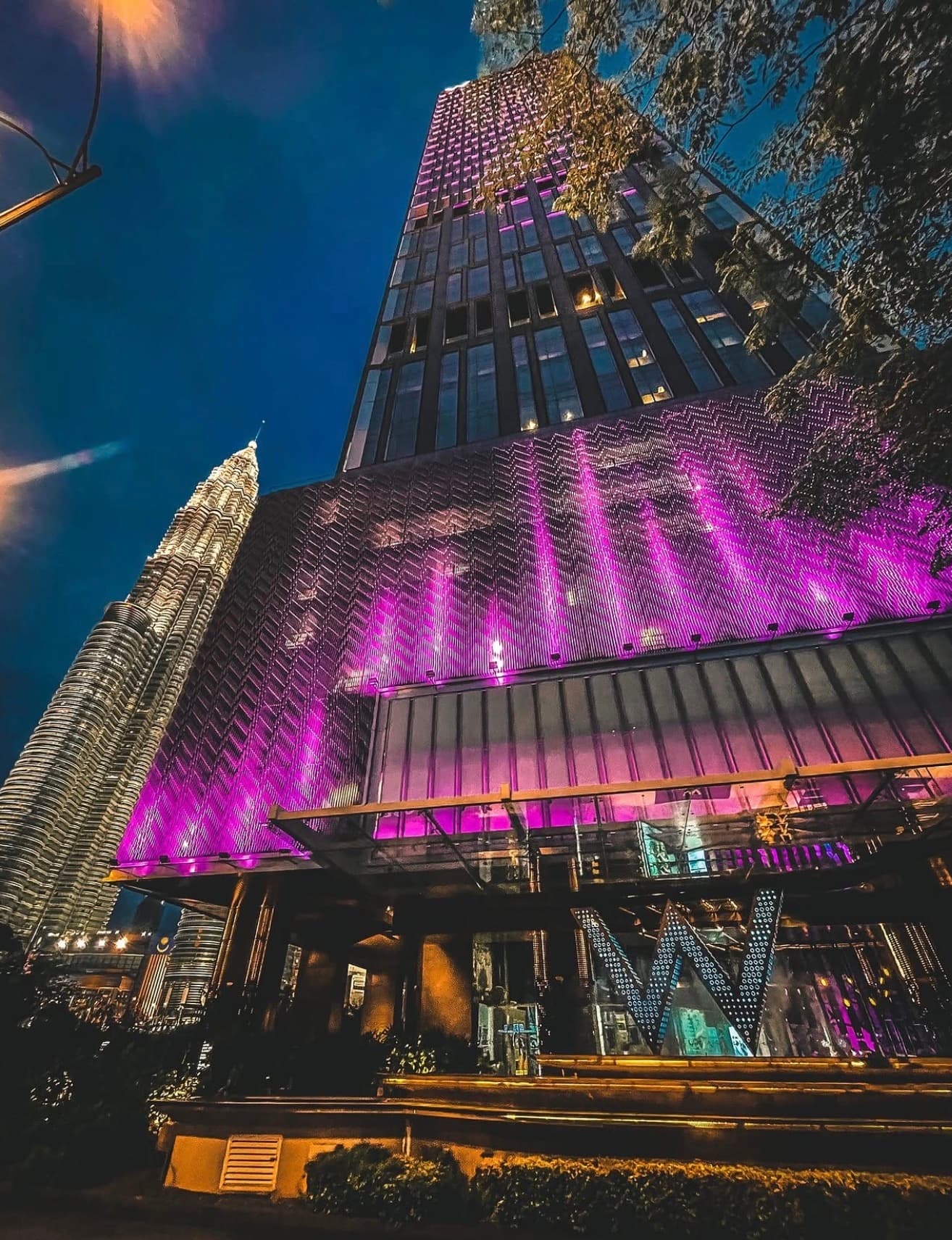
Kuala Lumpur’s tourism and hospitality sector is experiencing a sustained resurgence. The city’s hotel sector — from luxury brands to boutique operators — is benefiting from rising occupancy rates and higher spending tourists. Integrated developments, retail-tourism hubs and convention activity are further reinforcing Kuala Lumpur’s position as a key urban destination in Southeast Asia. Malaysia recorded approximately 38 million international visitors in 2024, marking a 31.1 percent year-on-year increase — with momentum continuing into 2025 as arrivals reached 24.5 million between January and July alone, up 16.8 percent compared to the same period the previous year. This recovery is translating directly into economic value, with tourism receipts reaching RM161.9 billion in 2025 year-to-date.
The sector’s contribution to the broader economy remains significant. Tourism accounted for 15.1 percent of Malaysia’s GDP, equivalent to RM291.9 billion and was projected to contribute RM332 billion — or 11.3 percent of GDP — in 2025. The industry is also a major employment generator, with an estimated 3.5 million jobs supported across the travel and tourism ecosystem. This combination of rising visitor volumes, increased spending and strong GDP contribution is underpinning continued investment into Kuala Lumpur’s hospitality landscape, particularly across premium and integrated developments.
Read More: 8 Luxury Hotels Set to Open in Malaysia’s Klang Valley
A G
Read more from original article, all rights reserved Opinion: The Multi-Pillar Growth Story of Kuala Lumpur, Malaysia
Leave a Reply