
As the Lunar New Year ushers in the Fire Horse, 2026 is already shaping up to be a year where cultural symbolism and commercial strategy converge with brands tapping into zodiac-inspired symbolism and cultural narratives in their own design-led releases aimed at stimulating seasonal demand. This season sees some luxury houses with equestrian heritage leaning into their roots while others are opting to showcase vivid Fire Horse palettes, unveiling experiential retail pop-ups and investing in localised storytelling to reconnect with consumers and reignite momentum after what was a challenging 2025 for some luxury brands.
While consumer confidence in China remains under pressure amid deflationary concerns, luxury brands are increasingly relying on culturally anchored seasonal opportunities such as the Lunar New Year to stimulate discretionary spending and sustain visibility amid a cautious retail environment. The season’s campaigns, capsule collections and commercial pop-ups are leveraging cultural resonance by translating equestrian heritage and zodiac symbolism into product design and exclusive releases — a strategy seen across fashion, watches, spirits and other luxury categories that strengthens brand affinity and differentiates seasonal offers on store shelves this year.
Equestrian Heritage as a Performance Driver
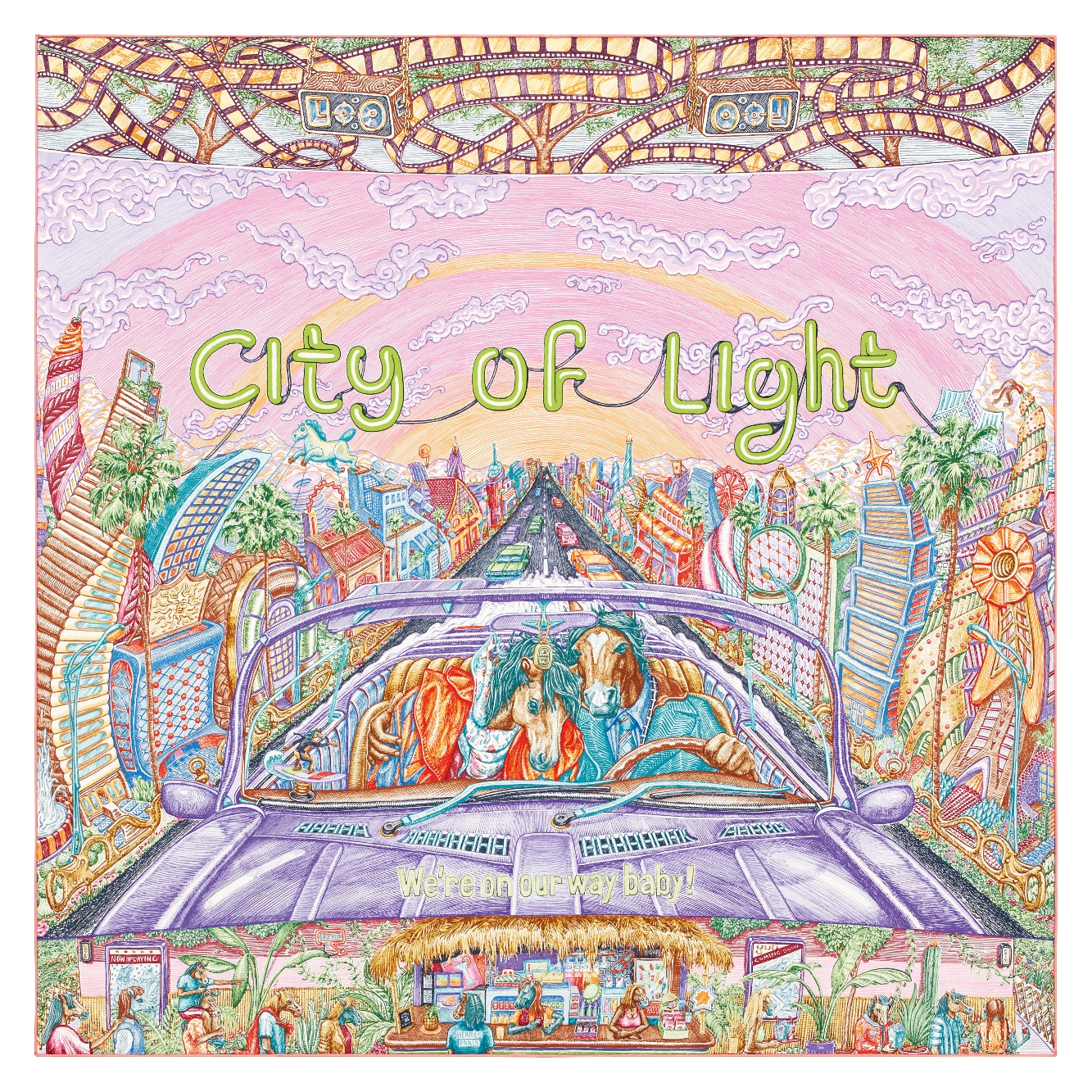
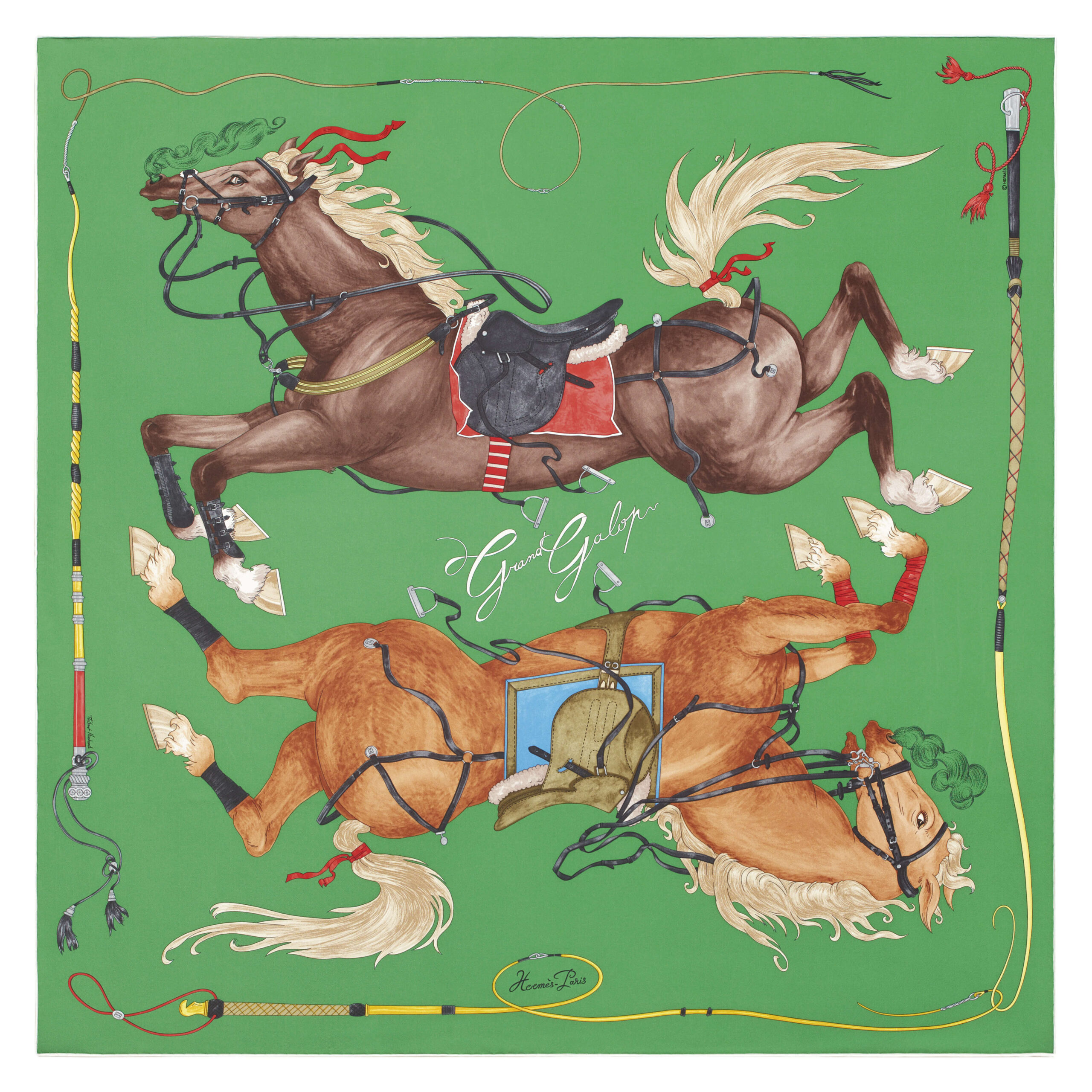
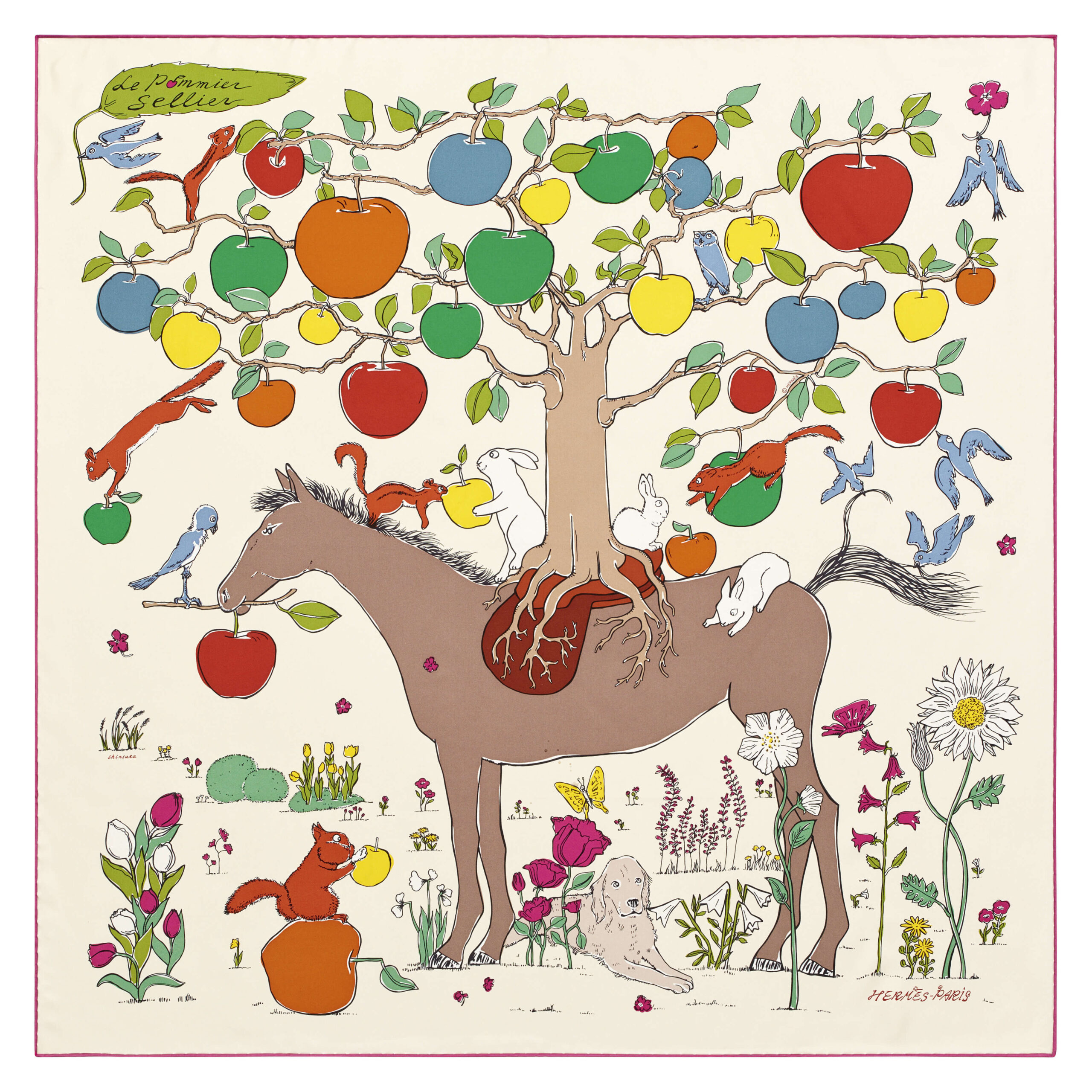
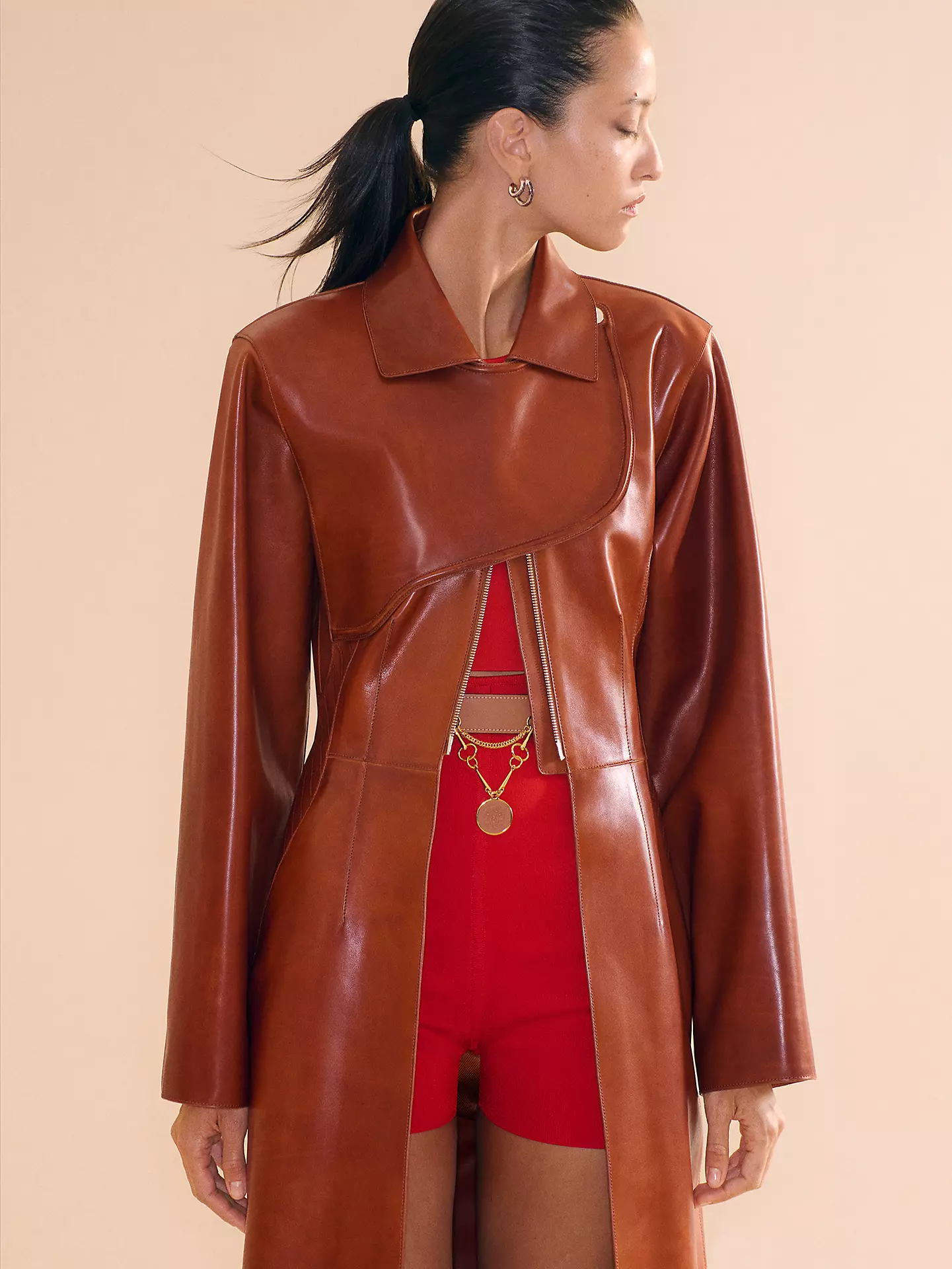
Brands with authentic ties to equestrian culture are well-positioned to capitalise on the Year of the Horse and leverage equestrian symbolism. Hermès — whose roots trace back to saddle‑making — anchored its Spring/Summer 2026 Hermès Spring-Summer 2026 Objects’ — with the theme of “Venture Beyond” — offering horse‑inspired design details and reinterpretations of functional equestrian elements.
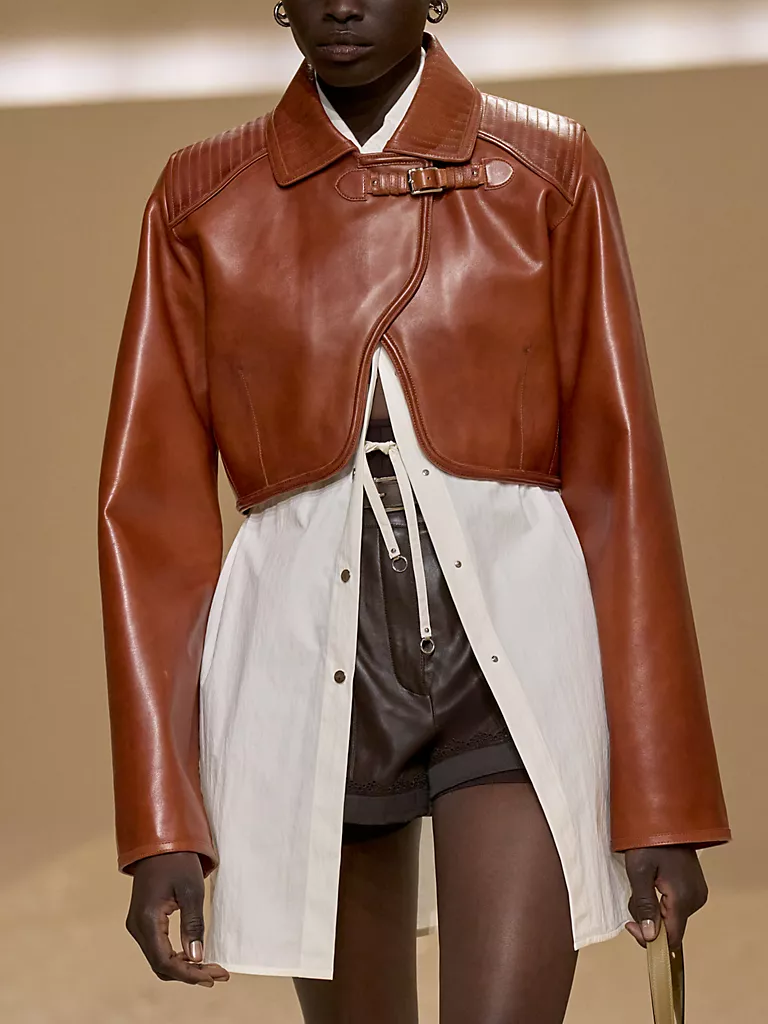
Hermès Women’s Spring/Summer 2026 runway collection also highlighted the Maison’s equestrian heritage while venturing into new aesthetic territory. Every quilted jacket, strap detail and saddle-inspired curve echoed the house’s roots in leatherwork and riding gear, translating functional craftsmanship into contemporary silhouettes alongside movement associated with the rider at the heart of Hermès’ identity.
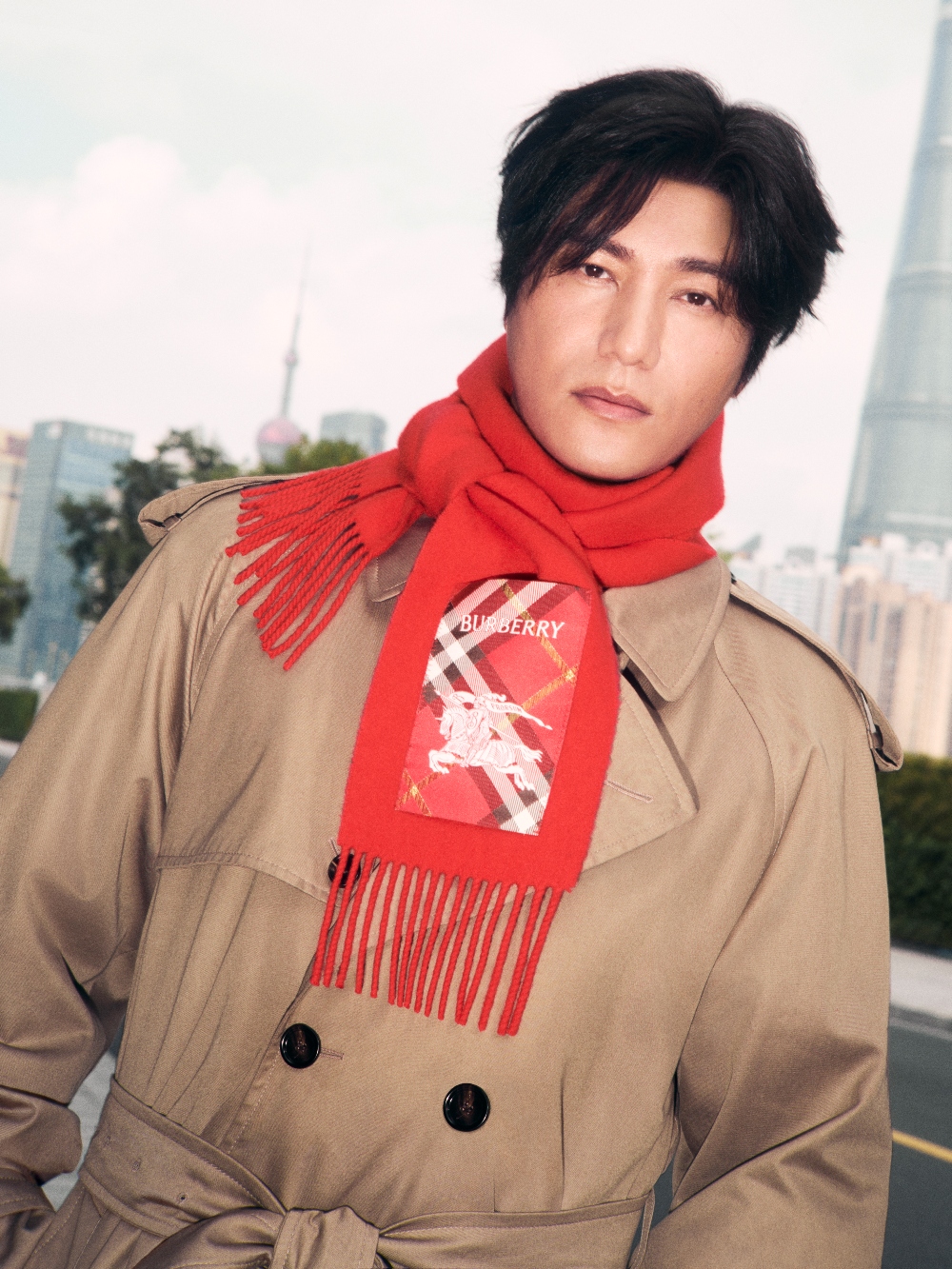
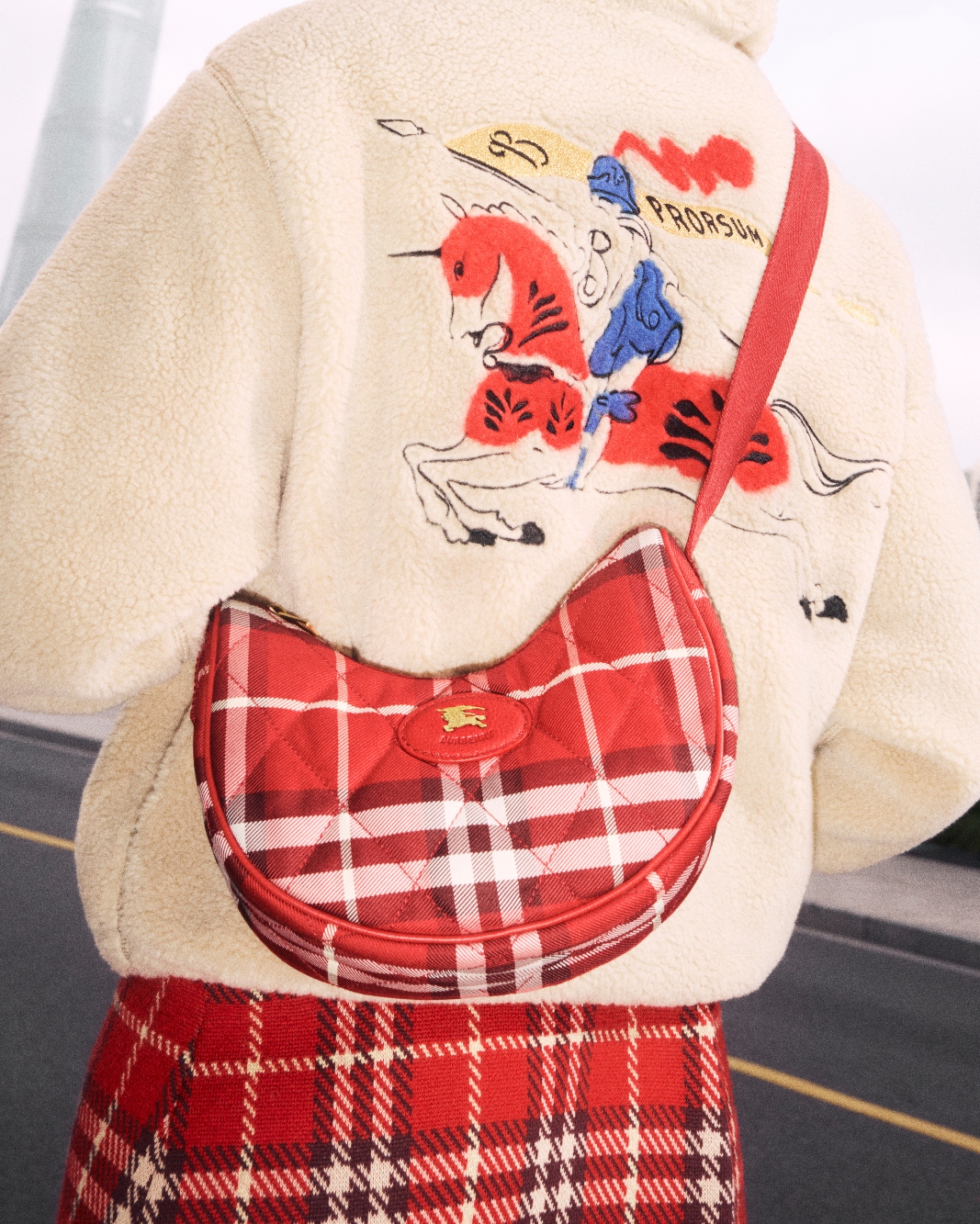
Burberry took its Knight motif — itself born from the winning entry of a public competition to design a logo for the house in 1901 — and reimagined it in a painterly, red‑toned Year of the Horse capsule that wove together Burberry’s own heritage with modern storytelling for the Chinese market.
The collection — titled Burberry Year of the Horse or “新禧贺岁”— brought the Knight to life in fluid, ink-and-watercolour-inspired sketches, rendered across garments with metallic embroidery, cross-stitch and appliqué details. The horse motif reinforced themes of protection and Burberry’s forward-looking spirit while the colour red dominated the palette, symbolising luck and prosperity — from scarves to daywear in a new red Burberry Check. Outerwear pieces such as the Berryhill car coat and Floriston quilted jacket in iridescent nylon are complemented by accessories, bags and small leather goods featuring the seasonal Knight, creating a cohesive, gift-ready capsule collection.
Read More: 10 Exclusive Lunar New Year 2026 Capsule Collections
Leveraging Narratives to Push Strategic Brand Initiatives
Besides Hermès and Burberry, brands that have adopted equestrian motifs and emblems such as Gucci and Longchamp are reinterpreting heritage codes by unveiling new iterations of their saddle-inspired bags and “horse bit” hardware. Gucci, for example, has revisited its archival equestrian vocabulary in recent collections with two standout leather goods. The Gucci Softbit handbag revisits the half Horsebit detail first introduced in the 1970s — now applied to a relaxed silhouette available in two sizes — with the detail also appearing in bright faux-fur versions on the Autumn/Winter 2025 runway. The Gucci 73 draws on an archival bucket bag from 1973, featuring a single-ring Horsebit instead of the traditional double-ring design, combining the House’s equestrian heritage with subtle modifications.
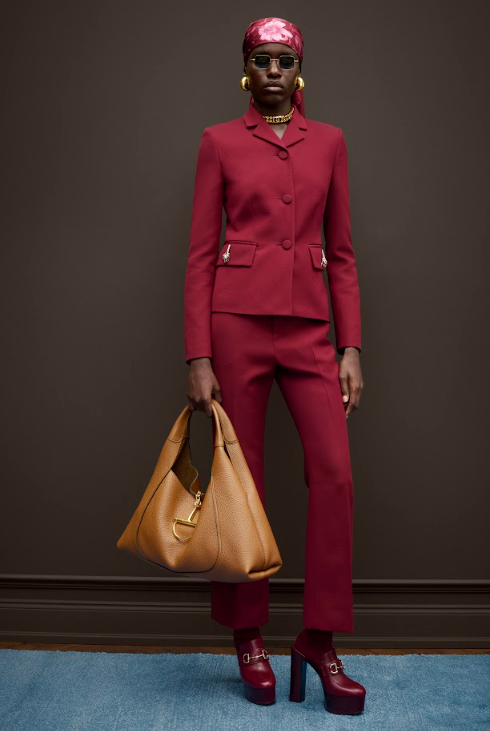
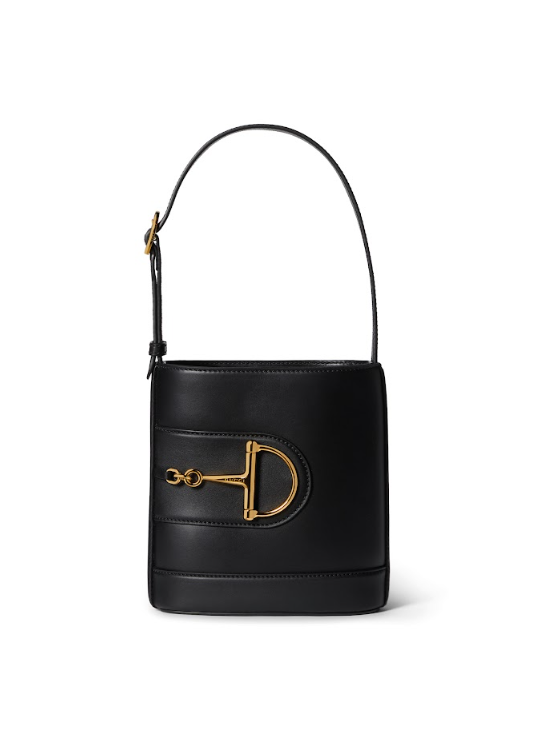
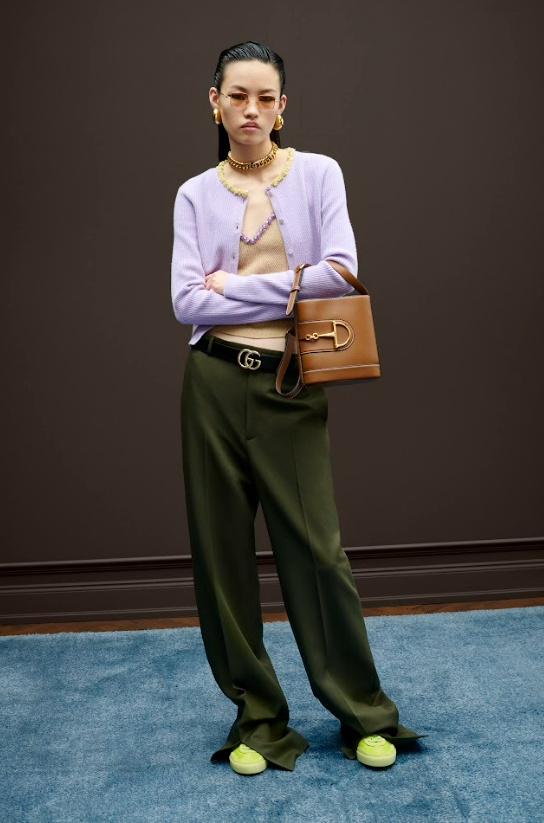
The Year of the Horse provides a natural opportunity for Gucci to deliver new reinterpretations of signature bags, leaning on familiar archival pieces of the Horsebit to deliver designs that longstanding consumers already know and love, rather than completely reinventing the wheel.
At the same time, it sets the stage for the rest of 2026, offering the House a platform to extend and evolve the Horsebit across future adaptations and seasonal releases. This also taps into the rising popularity of medium-sized bags as luxury brands shift away from both micro and oversized bags, favoring the “medium bag” as a practical, day-to-night choice.
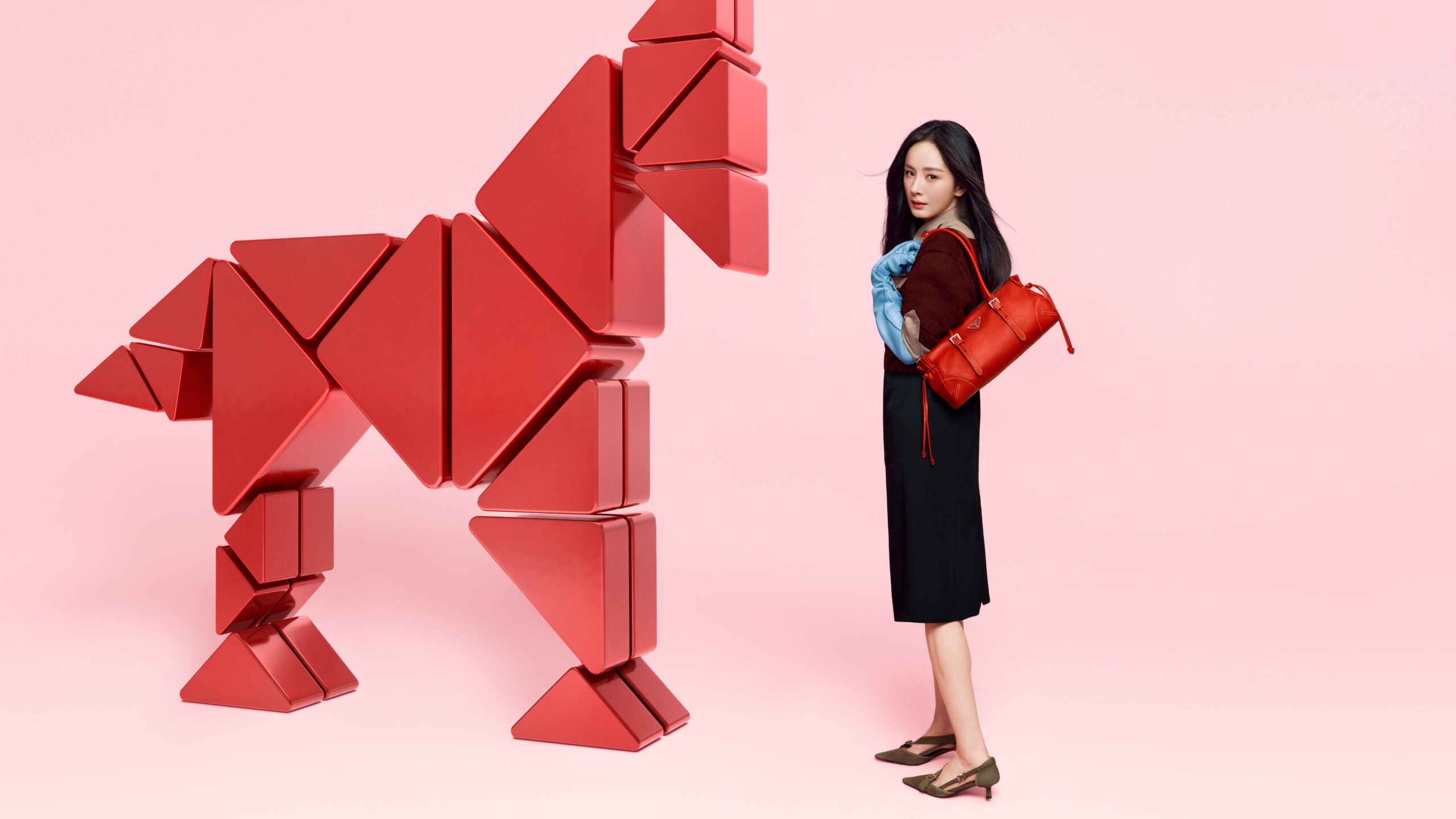
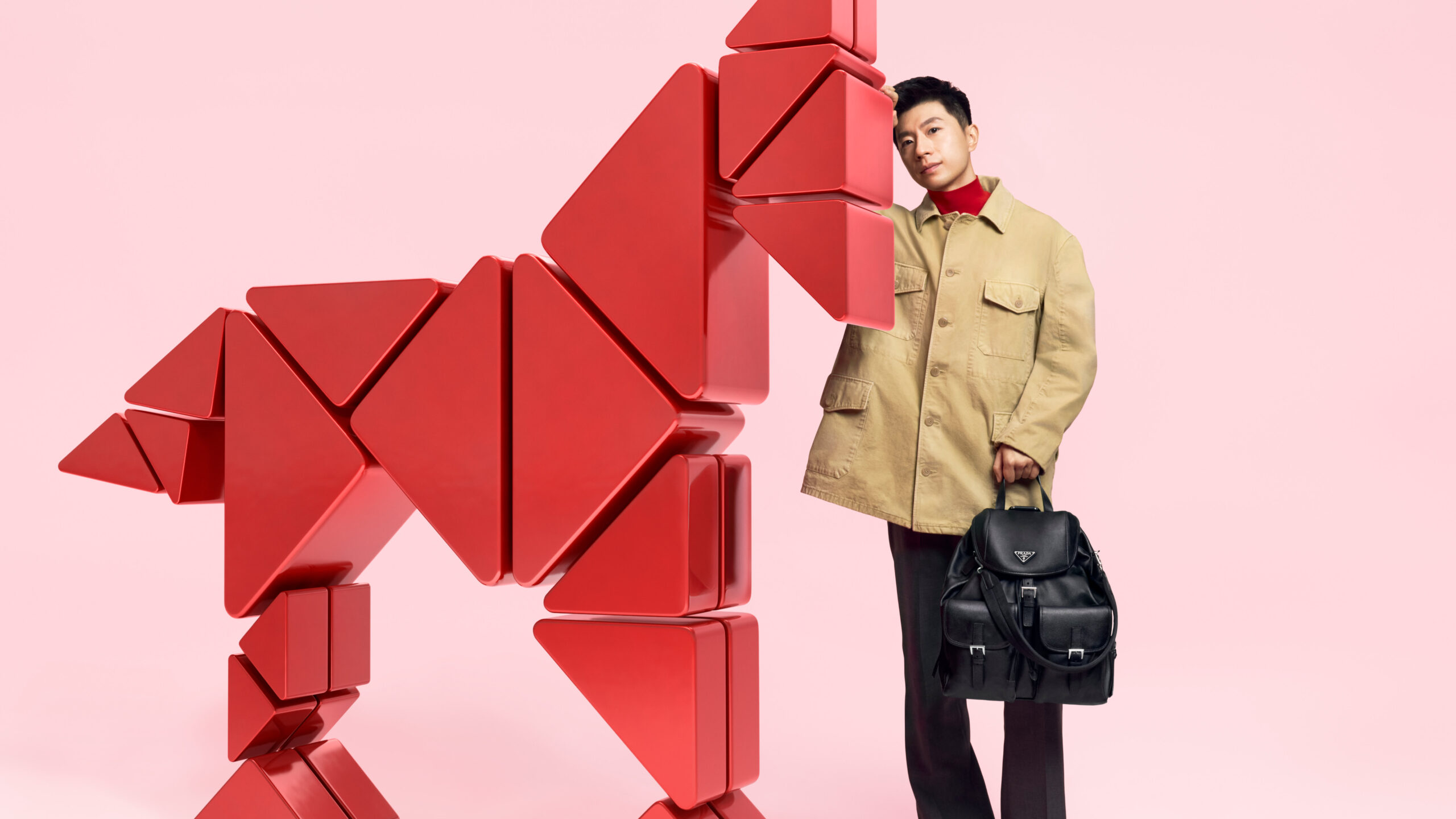
Other houses have taken bespoke approaches to the Year of the Horse narrative. Prada, for example, built an entire campaign around a geometric red Fire Horse character — the Prada Triangle Fire Horse. The campaign places the Fire Horse at the centre of immersive experiences — from ephemeral monolithic installations in Shanghai IFC Mall to Prada Rong Zhai — where the historic 1918 villa was transformed into an interactive Fire Horse Fair.
Prada also activated the narrative through a series of mapped projections and playful installations across Shanghai and Chengdu, merging physical engagement with cultural storytelling. High-profile ambassadors Yang Mi and Olympic champion Ma Long embody the qualities of courage and dynamism associated with the Fire Horse, wearing key pieces from the Prada Spring/Summer 2026 collection and bridging fashion with cultural ritual.
Similarly, Alexander McQueen launched a Shanghai-focused campaign that channels movement and refinement, reinforcing narrative continuity across fashion and local cultural landscapes — while highlighting the importance of place-specific storytelling during Lunar New Year.
Experience‑Driven Retail as a Commercial Opportunity
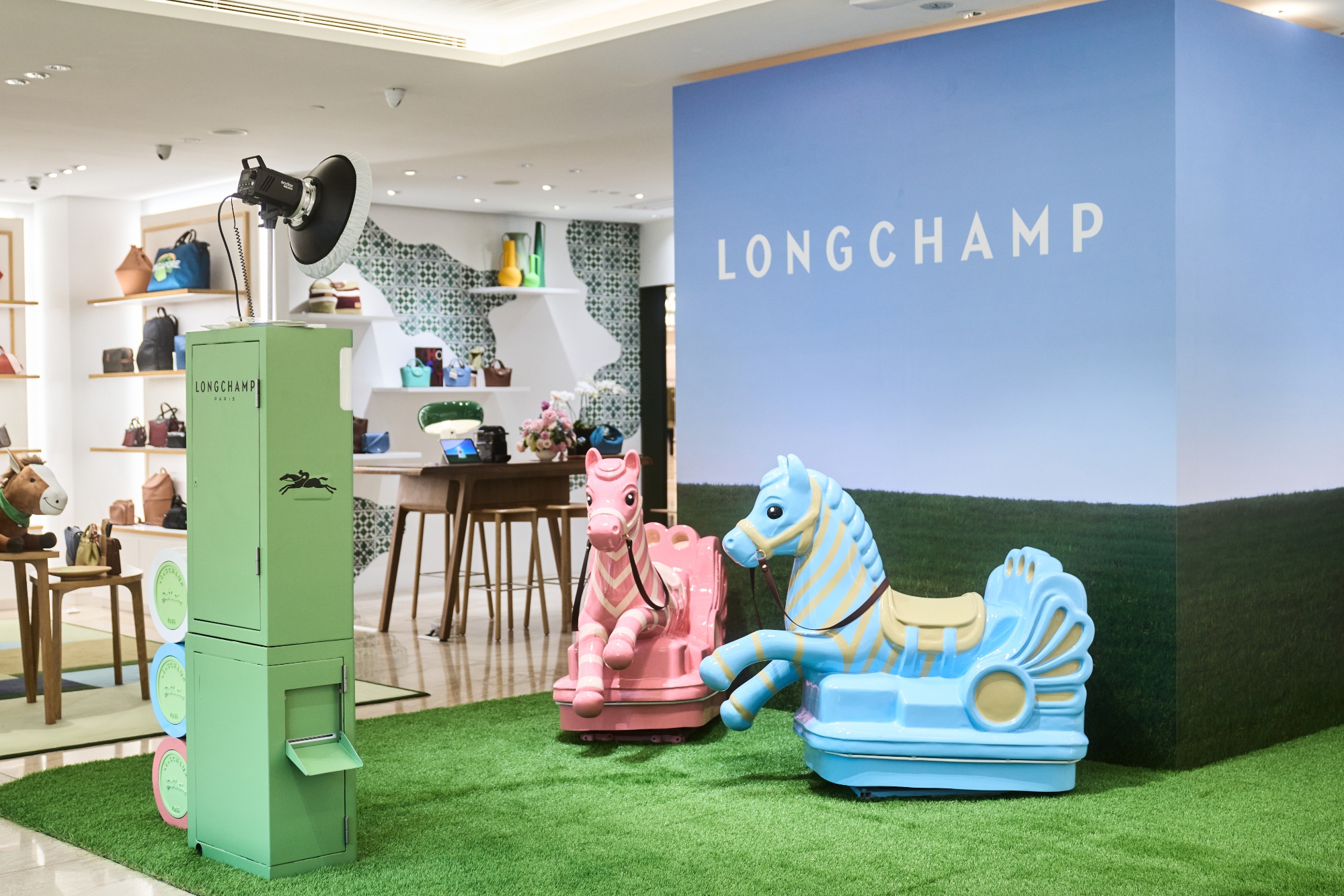
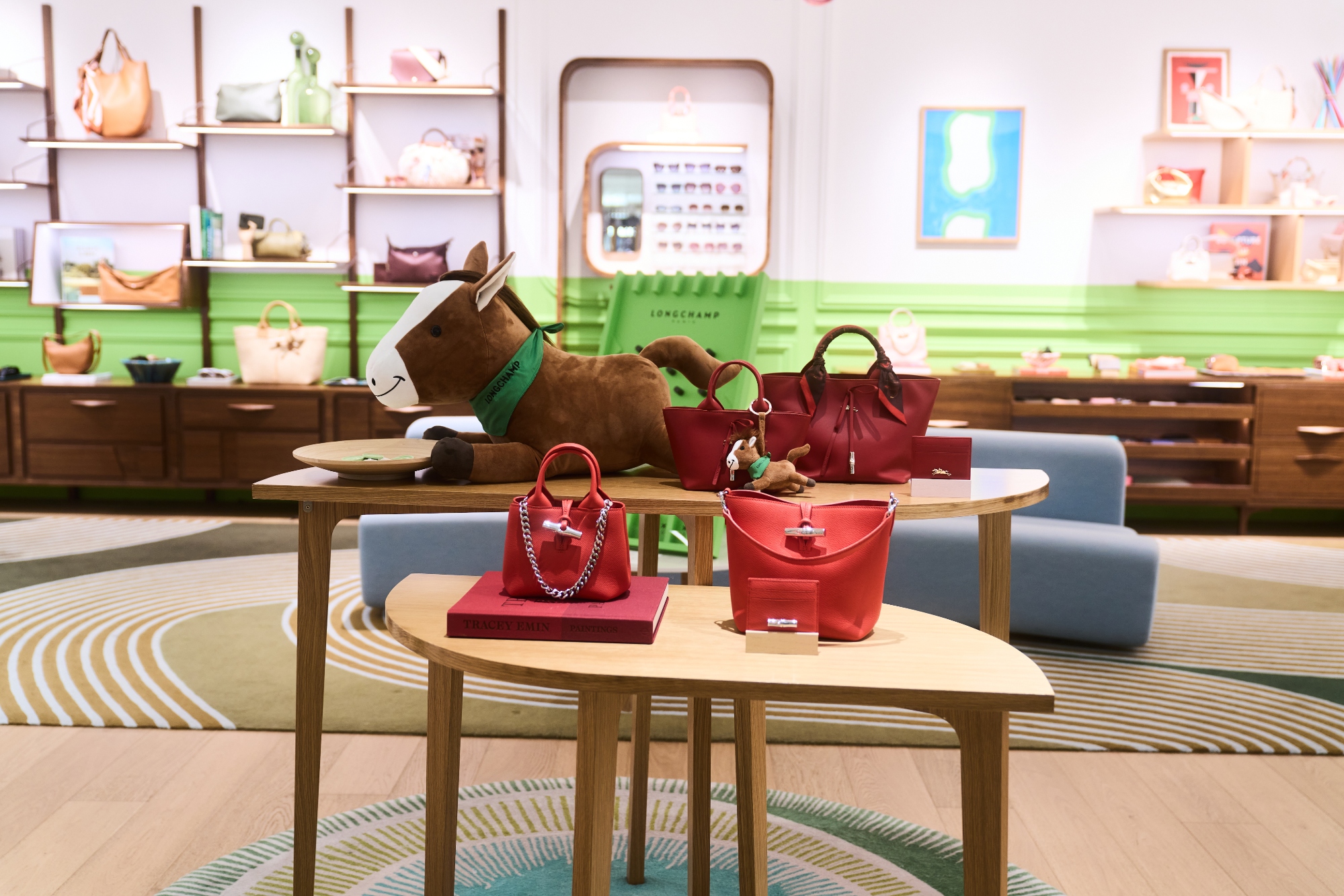
Luxury houses are increasingly recognising that experiences — not just products — are what draw customers after years of digital overload. Capsule launches, cultural installations and activation events are giving consumers tangible ways to connect with brands. Loewe has staged lantern installations across Shanghai, Chengdu and Nanjing, turning public spaces into immersive brand experiences that mirror festive celebrations.
At a time when economic pressures are reshaping consumer behaviour, offline spectacle and sensory engagement help luxury distinguish itself from fast fashion and digital‑only interactions. Enter the return of physical spaces and experiential retail. Moving away from digital fatigue, brands like Celine, Fendi Prada are hosting immersive o
Read more from original article, all rights reserved Cultural Symbolism to Commercial Strategy: Luxury in the Year of the Horse
Leave a Reply